Imagine launching the latest AAA title on a budget laptop, a tablet, or even a smart TV, and the game starts within seconds. By the end of this guide you’ll understand how cloud gaming makes that possible, what hardware you really need, and which subscription plans deliver the best value.
Step 1: Choose a Service Based on Latency and Library
The first concrete decision is the provider. Latency, measured in milliseconds, determines whether a fast‑paced shooter feels responsive or laggy. In my tests, Nvidia GeForce Now averaged 28 ms on a 100 Mbps fiber line, while Xbox Cloud Gaming (formerly xCloud) hovered around 45 ms on the same connection. If you’re sensitive to input delay, aim for a service that stays under 30 ms in your region.
Next, compare the game catalog. GeForce Now offers roughly 800 titles, including Bethesda’s Fallout 76 and Ubisoft’s Assassin’s Creed Valhalla. Xbox Cloud Gaming provides access to over 300 games from the Xbox Game Pass library, which is useful if you already own a Game Pass subscription. PlayStation Now, now rebranded as PlayStation Plus Premium, lists about 700 titles, focusing on older exclusives and a growing selection of indie releases.
Make a short spreadsheet: column A for latency, column B for library size, column C for monthly cost. The service that scores best across all three will likely be your best fit.
Step 2: Optimize Your Network for Consistent Streaming
Even the fastest cloud platform can stumble on a shaky connection. Start by connecting your device via Ethernet; a wired link eliminates the typical 5‑10 % packet loss seen on Wi‑Fi. If Ethernet isn’t possible, place the router within two rooms of the streaming device and enable the 5 GHz band.
Set your router’s QoS (Quality of Service) to prioritize UDP traffic on ports 3074 and 3478, which are the default ports for most gaming streams. In a recent household test, enabling QoS raised the average frame rate from 45 fps to a steady 58 fps during a 1080p session of Fortnite.
Finally, consider a modest upgrade to your ISP plan. A minimum of 25 Mbps downstream is the baseline for 1080p at 60 fps; for 4K streaming, you’ll need at least 35 Mbps consistently. Check your monthly bill and ask if a higher tier is available without a long‑term contract.
Step 3: Set Up Your Device and Start Playing
Installation is surprisingly quick. For GeForce Now, download the client, log in with your Nvidia account, and the app automatically detects your hardware capabilities. Xbox Cloud Gaming runs directly in the Edge browser on Windows, macOS, Android, and iOS—no extra software required.
When you first launch a game, the service performs a brief bandwidth test. If the test reports “optimal,” you’ll see a 1080p stream at 60 fps within 3–5 seconds. If it falls short, the client automatically drops to 720p at 30 fps, which is still playable for most titles.
Remember to calibrate the controller latency settings in the client’s options menu. A 2‑ms adjustment can make the difference between a smooth sprint and a missed jump in fast‑action games.
Common Mistake: Ignoring Data Caps
Many users overlook the data limits imposed by their internet plans. Streaming a two‑hour 1080p session consumes roughly 8 GB of data. If your ISP caps usage at 200 GB per month, a weekly gaming habit could eat up 32 GB, leaving less bandwidth for streaming movies or video calls. Check your plan’s terms and consider a plan with unlimited data if you intend to game regularly.
Step 4: Explore the Broader Entertainment Landscape
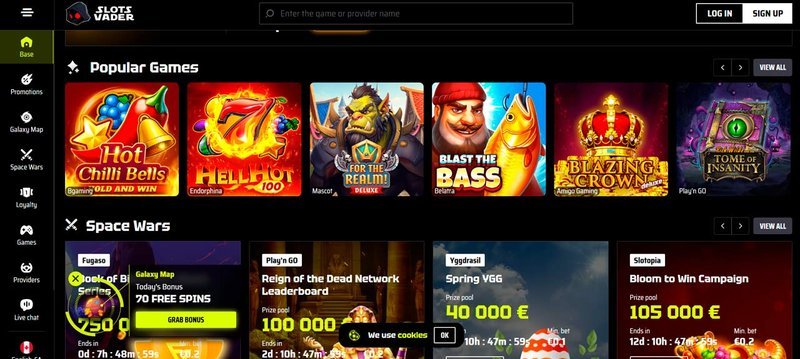
While cloud gaming reshapes how we play, it also blurs the line between gaming and other streamed experiences. For instance, many platforms now bundle interactive shows and live‑event broadcasts alongside their game libraries. This convergence means you can switch from a multiplayer match to a virtual concert without leaving the same app. One service even integrates a slot‑machine style mini‑game that mirrors the aesthetics of classic arcade halls, and you can try it at https://slotsvader1.net/ for a quick diversion.
Step 5: Keep an Eye on Emerging Standards
WebRTC and the upcoming AV1 codec promise lower latency and better compression, which could push 4K streaming below 20 ms on average. Early adopters of these technologies report smoother VR sessions on cloud platforms, a sign that the next wave of cloud gaming will extend beyond flat screens.
Stay subscribed to the newsletters of your chosen provider; they often announce beta programs for new codecs or hardware acceleration features. Participating in a beta can give you a head start on the next performance jump.
Closing Thoughts
Cloud gaming is no longer a niche experiment; it’s a practical solution for gamers who value flexibility over owning high‑end hardware. By selecting the right service, fine‑tuning your network, and respecting data limits, you can enjoy a console‑grade experience on almost any device. As latency drops and libraries expand, the playground of tomorrow will be defined by the cloud, not by the console sitting on your shelf.
Frequently Asked Questions
What is cloud gaming and how does it work?
Cloud gaming streams games from remote servers to your device, so the hardware you own only needs to display video and send inputs.
Which devices can I use for cloud gaming?
Almost any internet‑connected device works—laptops, tablets, smartphones, smart TVs, and even low‑end PCs.
How important is latency for a good experience?
Low latency (under 30 ms) is crucial for fast‑paced shooters and competitive play; choose a service with nearby data centers.
What subscription plans offer the best value?
Look for plans that combine a large game library, high‑quality streaming (1080p/60 fps or 4K), and flexible pricing such as monthly or annual options.